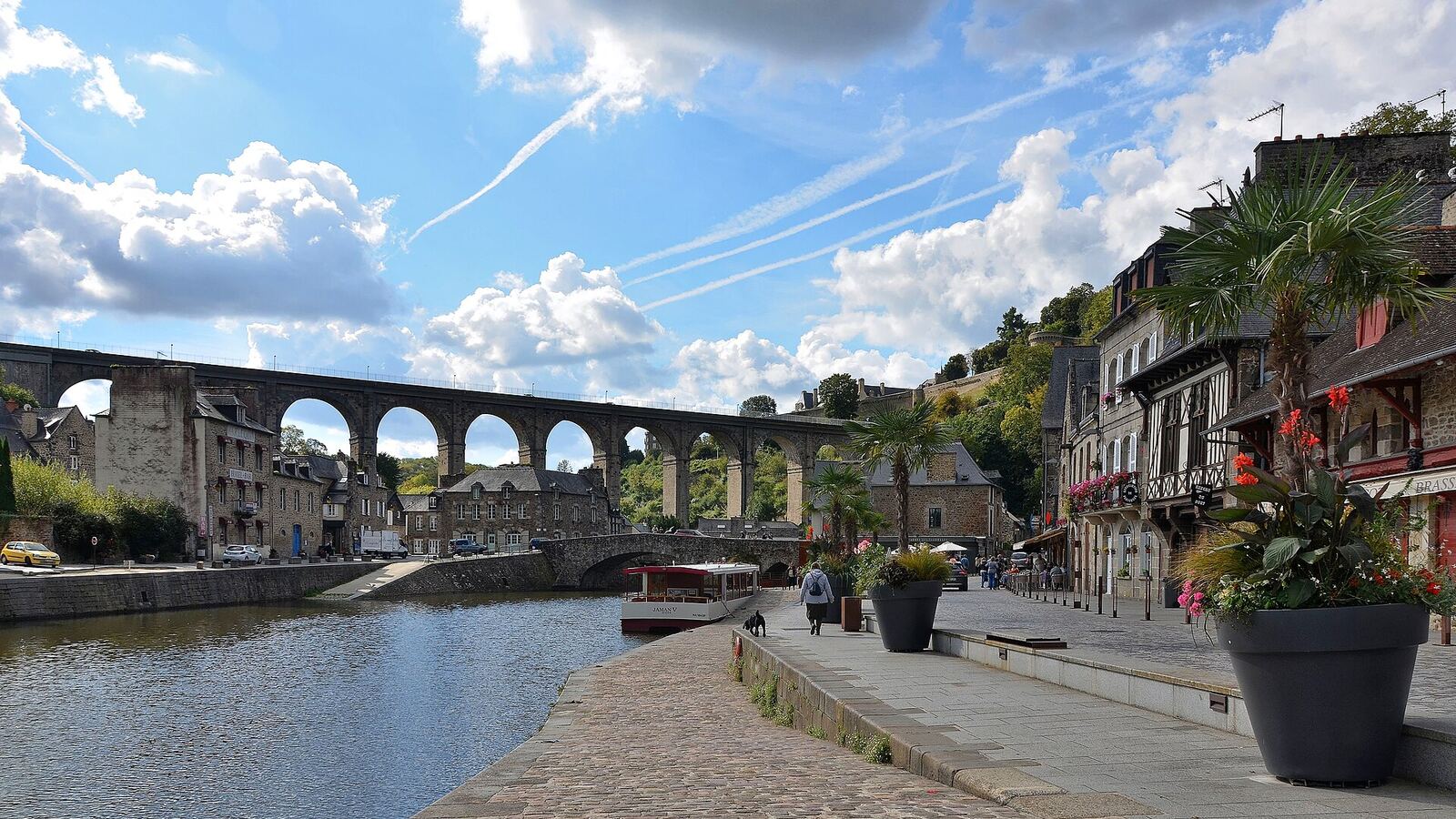
Where to go in Brittany
11 destinations, from walled cities to Atlantic islands. Here's how they compare.
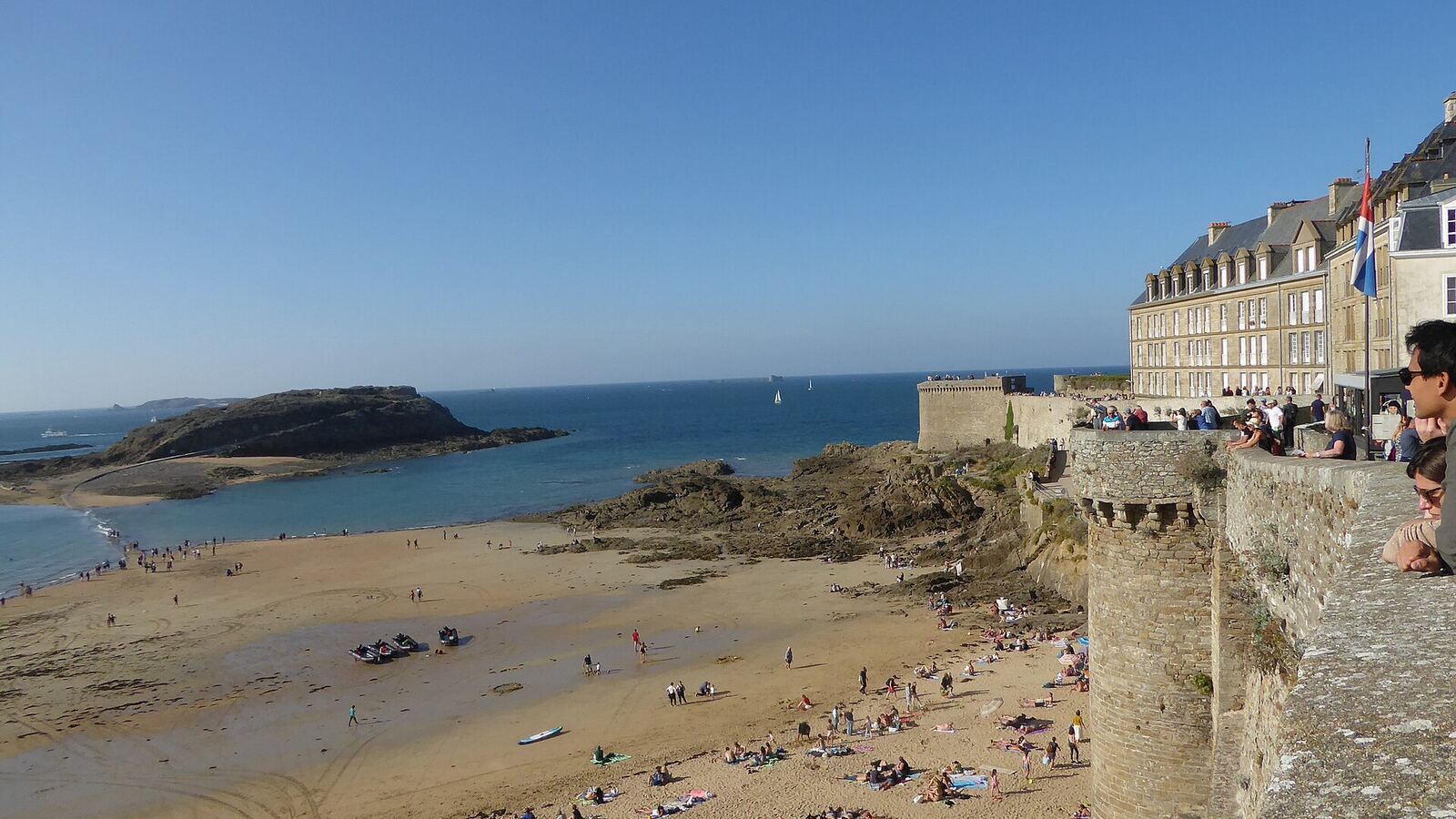
Saint-Malo
The walled corsair city: granite ramparts, huge tides, tidal islands and seafood on every corner.
Read guide →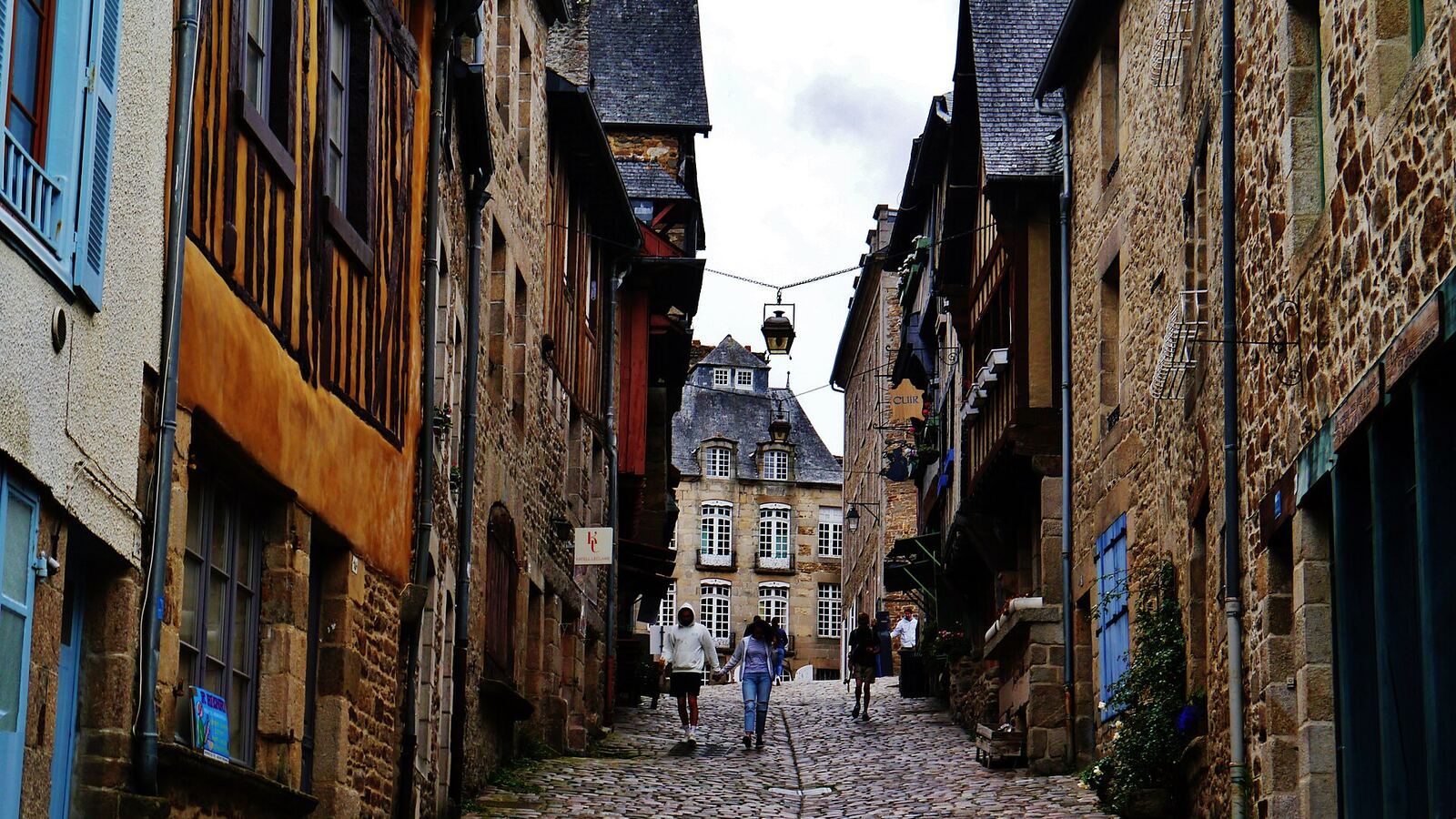
Dinan
Half-timbered lanes, three kilometres of ramparts and a little port on the River Rance.
Read guide →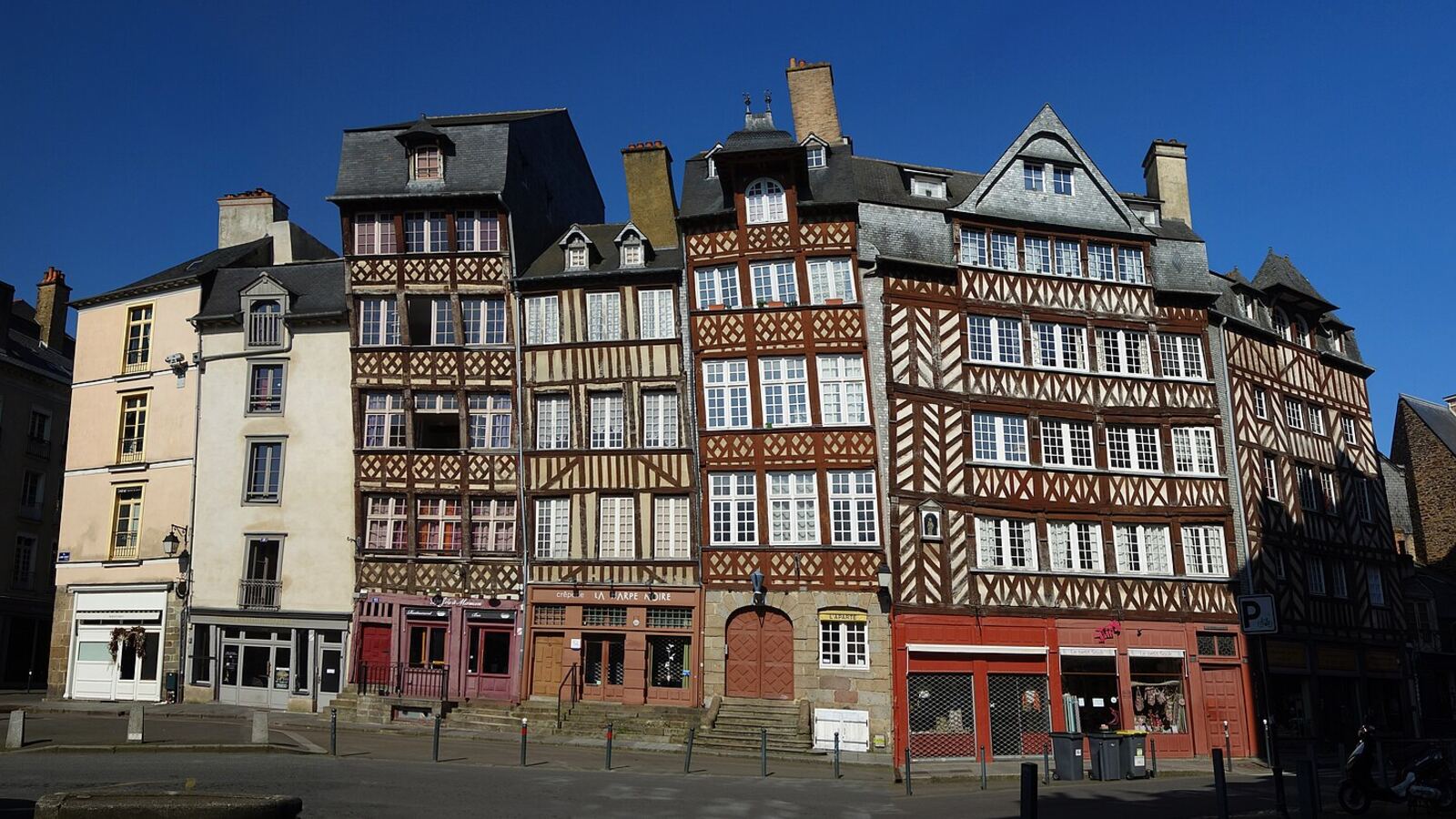
Rennes
Brittany's lively student capital: timber-framed squares, a grand parliament and a famous Saturday market.
Read guide →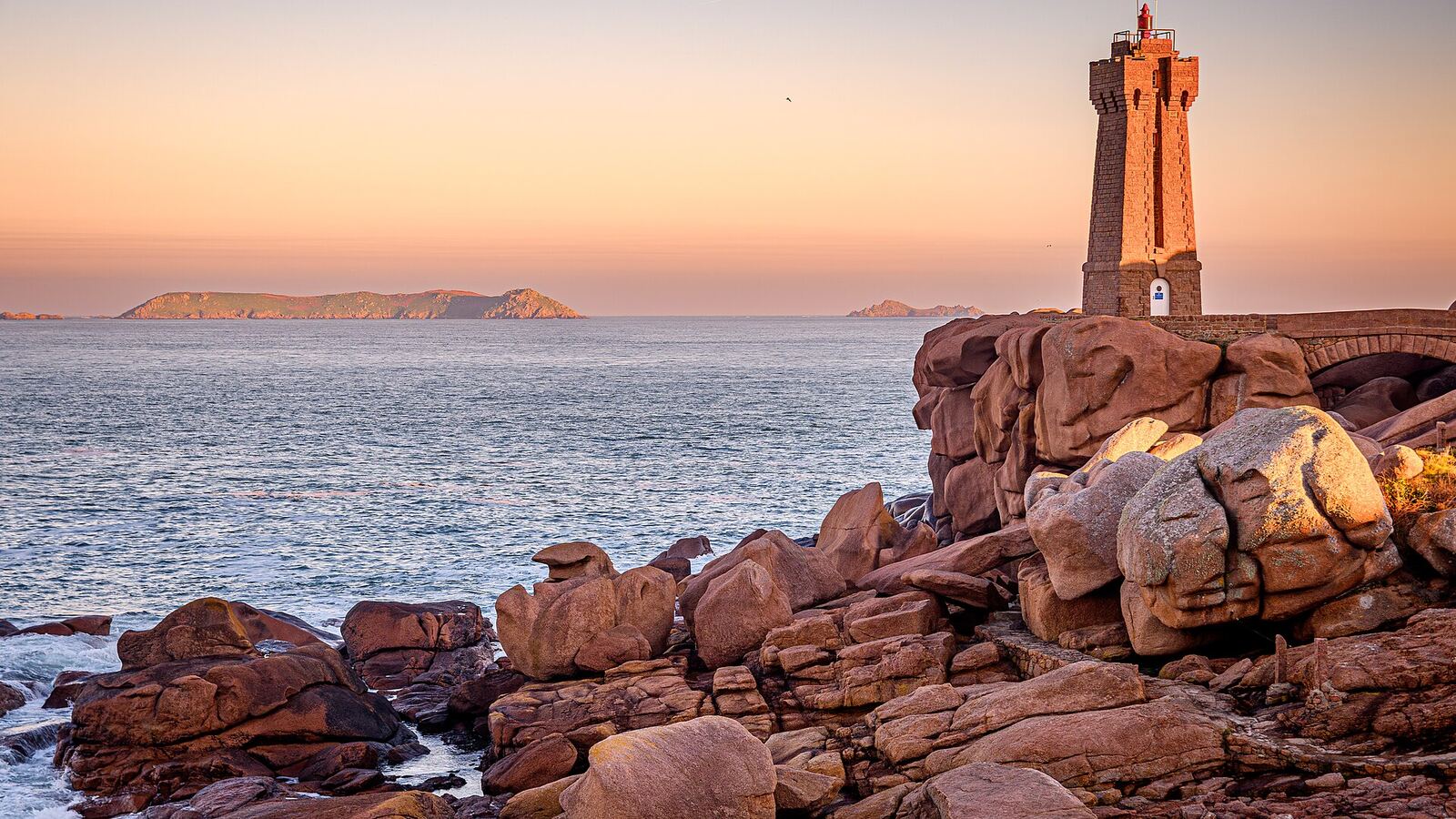
Pink Granite Coast
Giant pink boulders, the Ploumanac'h lighthouse and the most beautiful stretch of the GR34.
Read guide →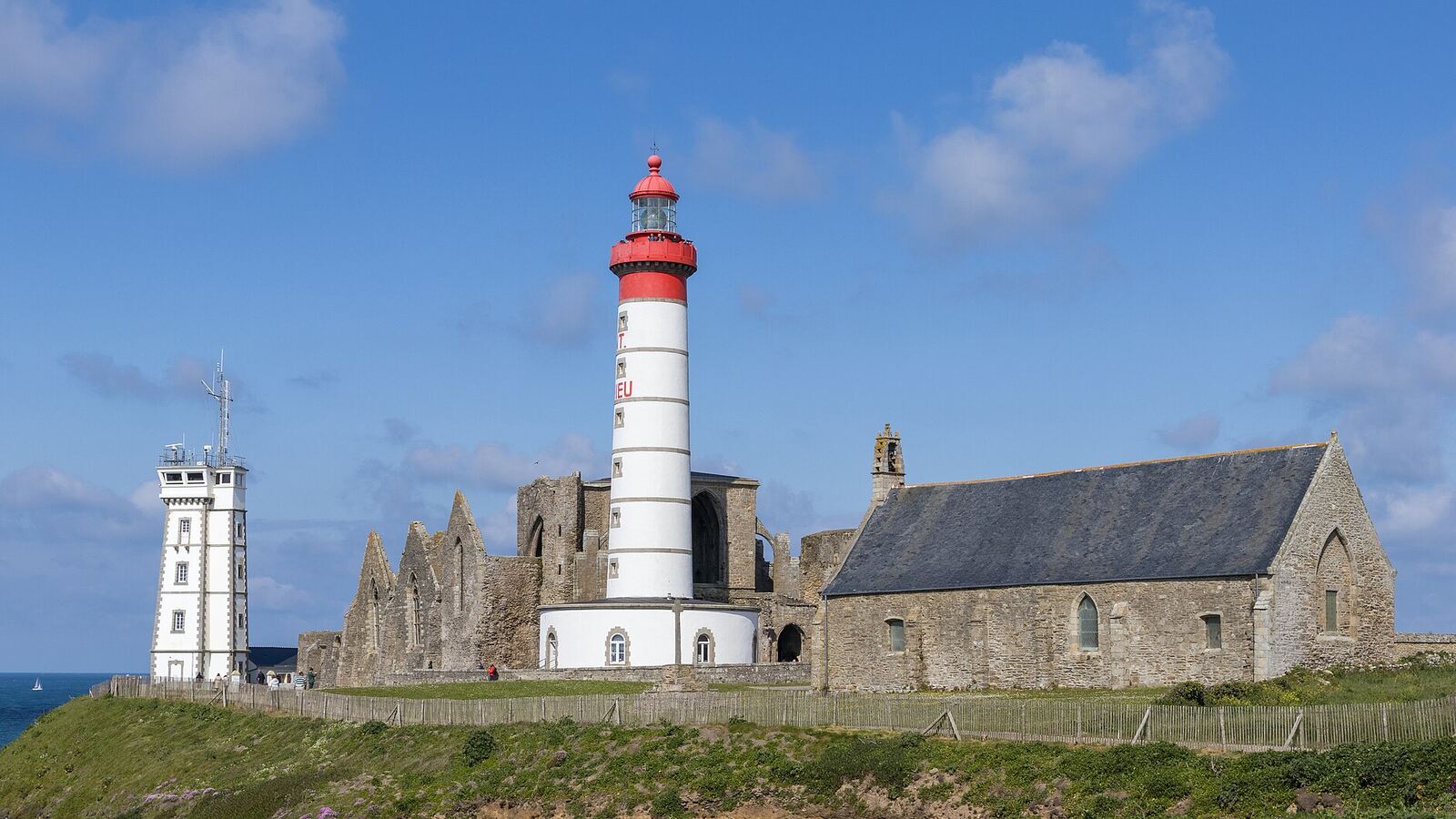
Brest & north Finistère
A maritime city, wild headlands, the Abers coast and ferries to Ouessant at the end of France.
Read guide →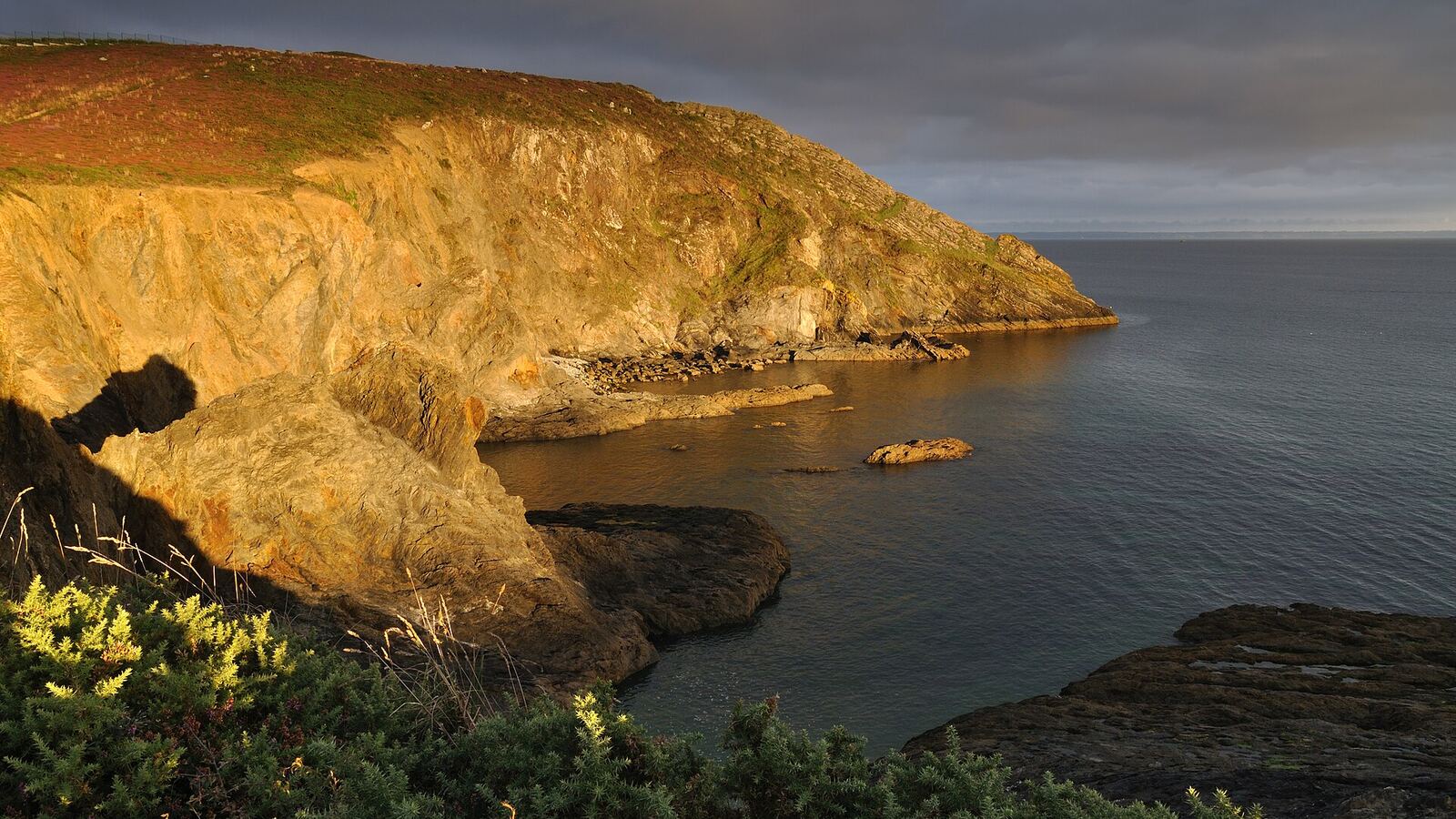
Crozon Peninsula
Cross-shaped peninsula of cliffs, sea caves and turquoise coves in the Armorique nature park.
Read guide →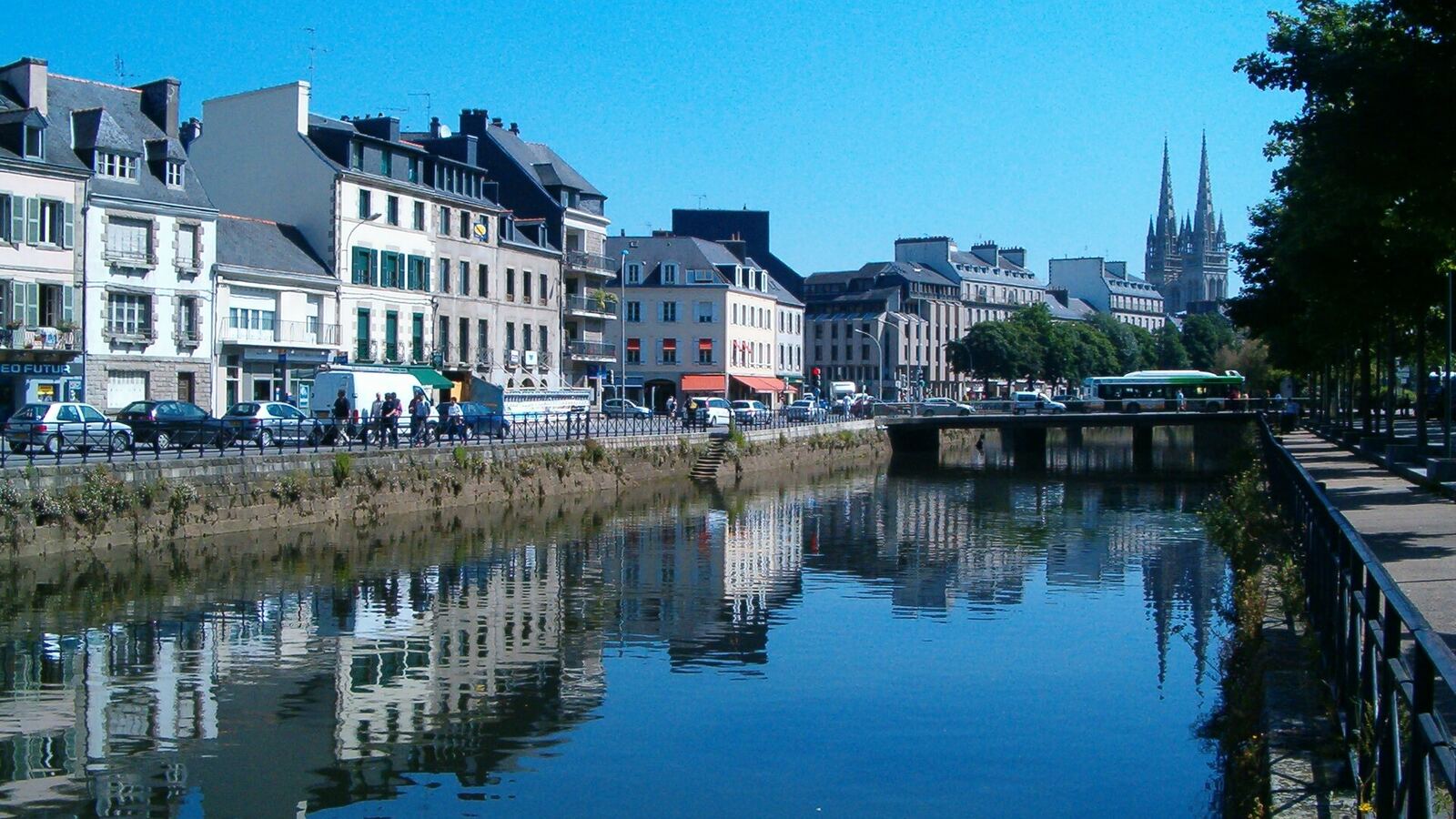
Quimper
The heart of Breton culture: a Gothic cathedral, flower-lined riverbanks and painted faience.
Read guide →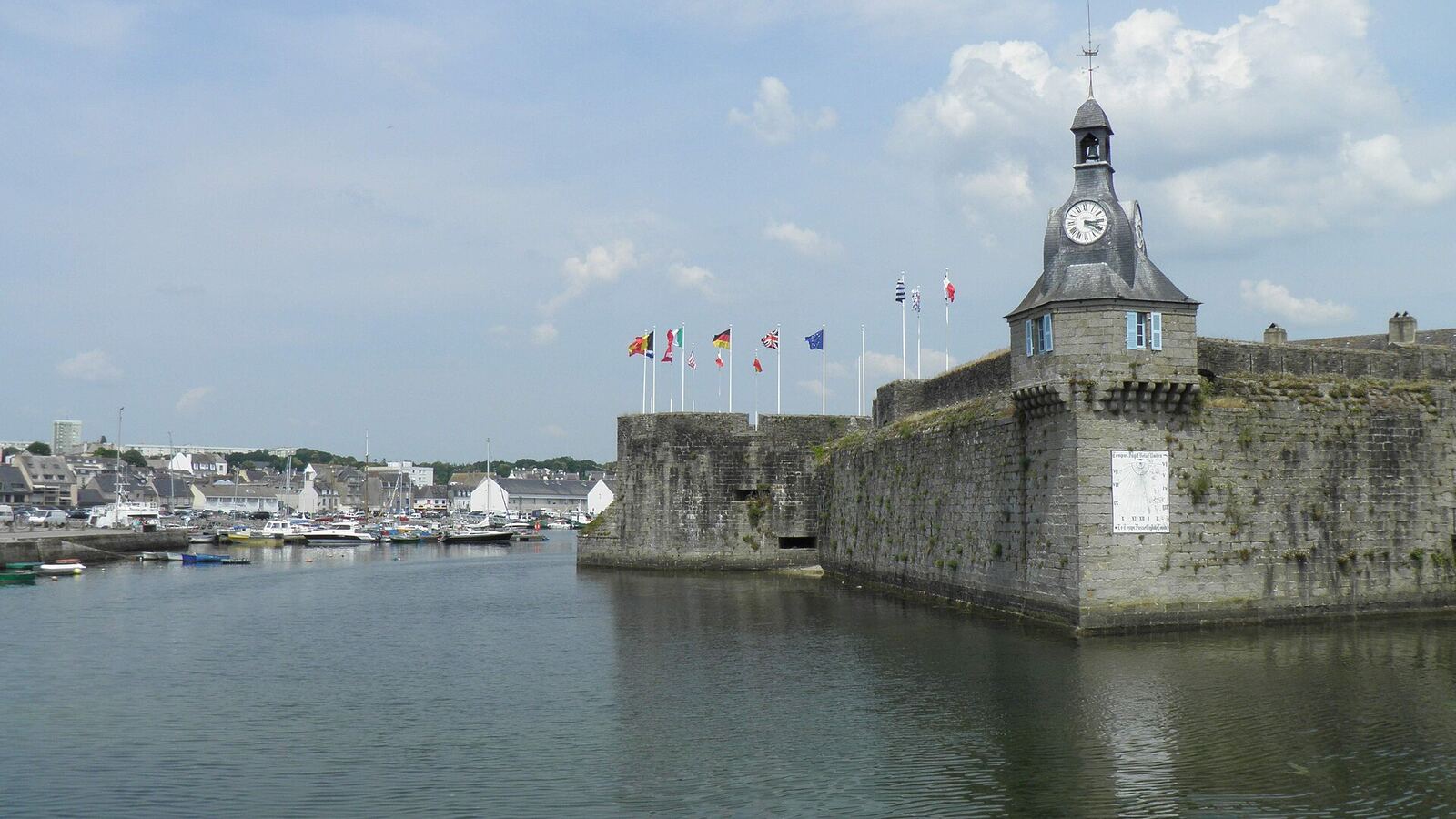
Concarneau & Pont-Aven
A walled island town in a fishing port, and the painters' village that inspired Gauguin.
Read guide →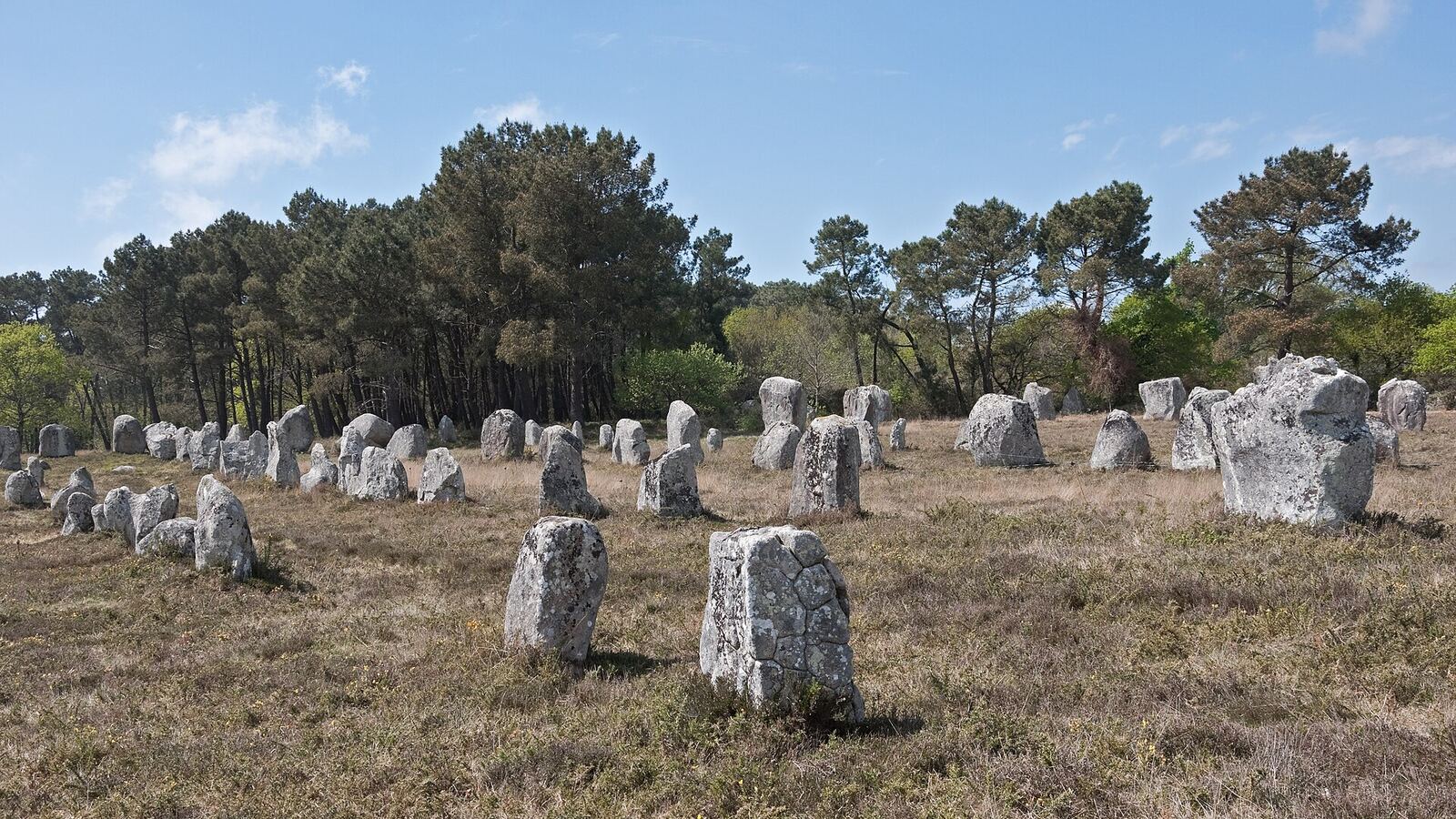
Carnac & Quiberon
Thousands of prehistoric standing stones, a wild Atlantic coast and the ferry to Belle-Île.
Read guide →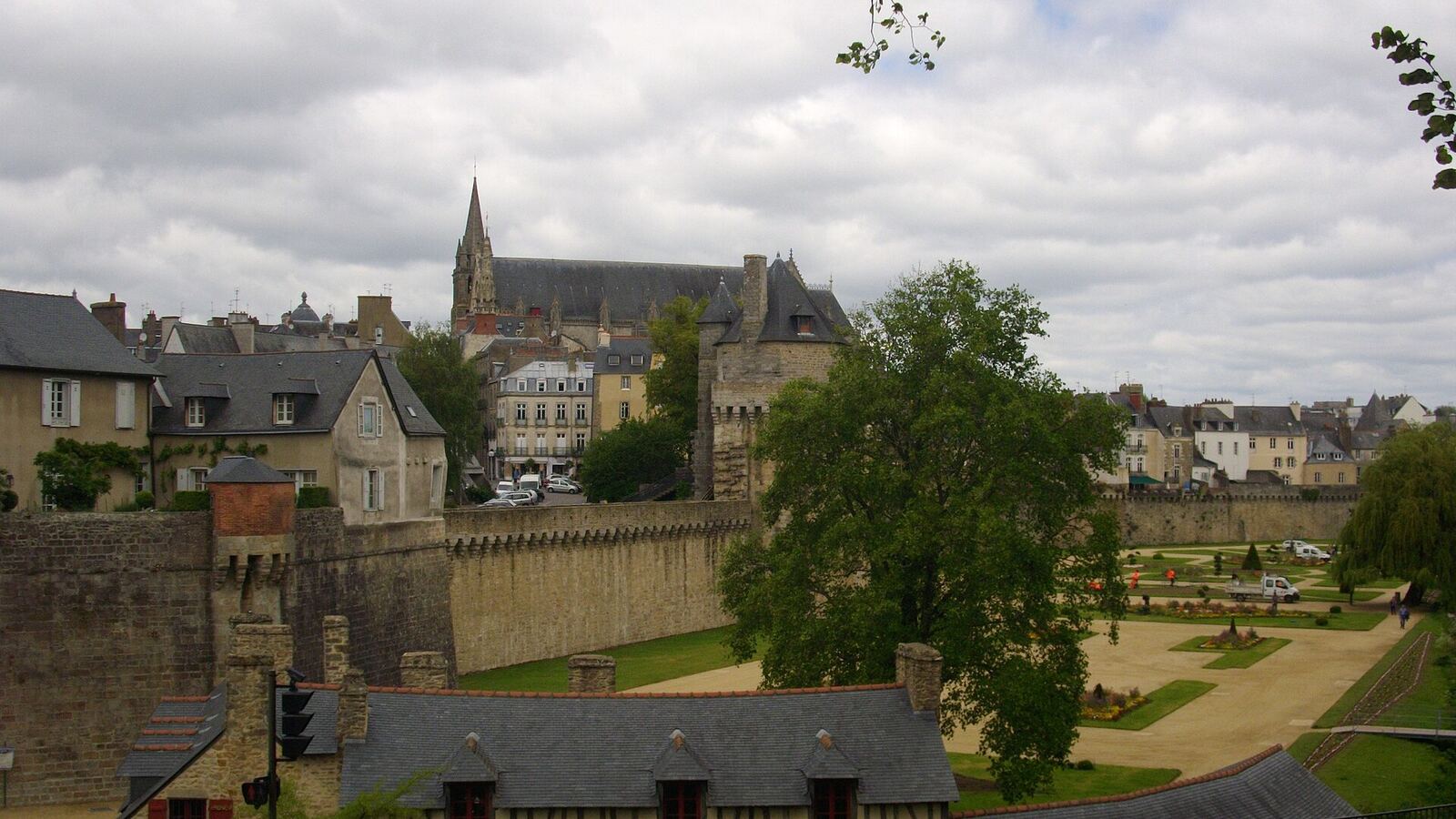
Vannes & the Gulf of Morbihan
A walled medieval town on an inland sea dotted with islands, oyster beds and sailing boats.
Read guide →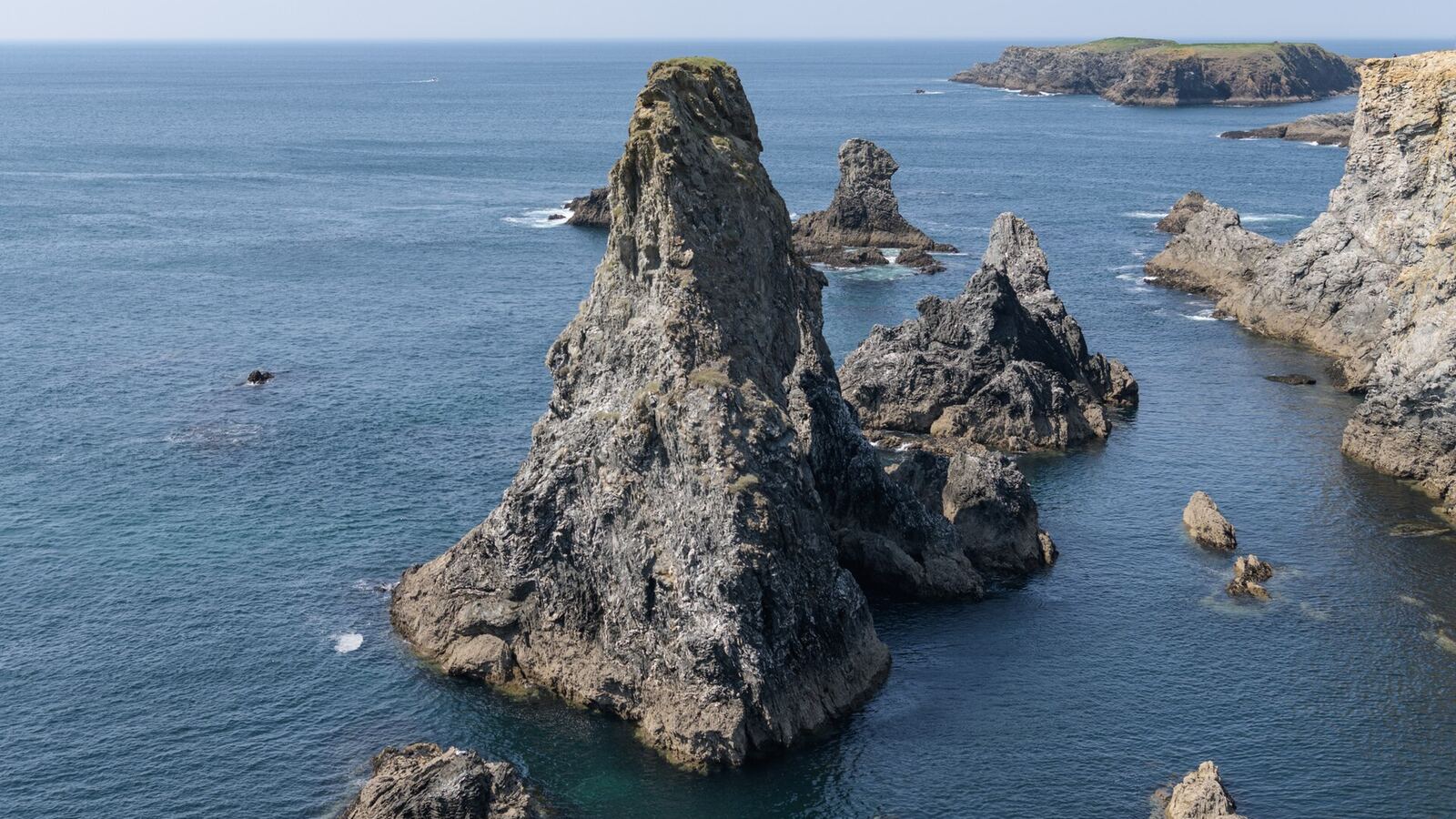
Belle-Île-en-Mer
Brittany's largest island: Vauban's citadel, the needles Monet painted and a colourful harbour at Sauzon.
Read guide →How to combine them
Brittany has four departments. Ille-et-Vilaine in the east holds Rennes and Saint-Malo; the Côtes-d'Armor along the north coast has Dinan and the Pink Granite Coast; Finistère is the wild far west, with Brest, Crozon and Quimper; and Morbihan in the south has Carnac, Vannes and Belle-Île.
For a first week, pick one base in the north and one in the south or west. Our 7-day itinerary shows how it fits together, and Beyond Brittany covers Mont-Saint-Michel, Nantes, Normandy, the Loire and Paris.